Back to school 2026
Announcement
Back-to-School 2026: How to Prepare Your Child for Preschool
A New School Year Starts Long Before Day One
Whether this is your child's very first year of preschool or they're returning after a summer away, the weeks leading up to the start of school matter. The right preparation can turn an anxious child into an excited one.
Here's how to make the most of the time you have.
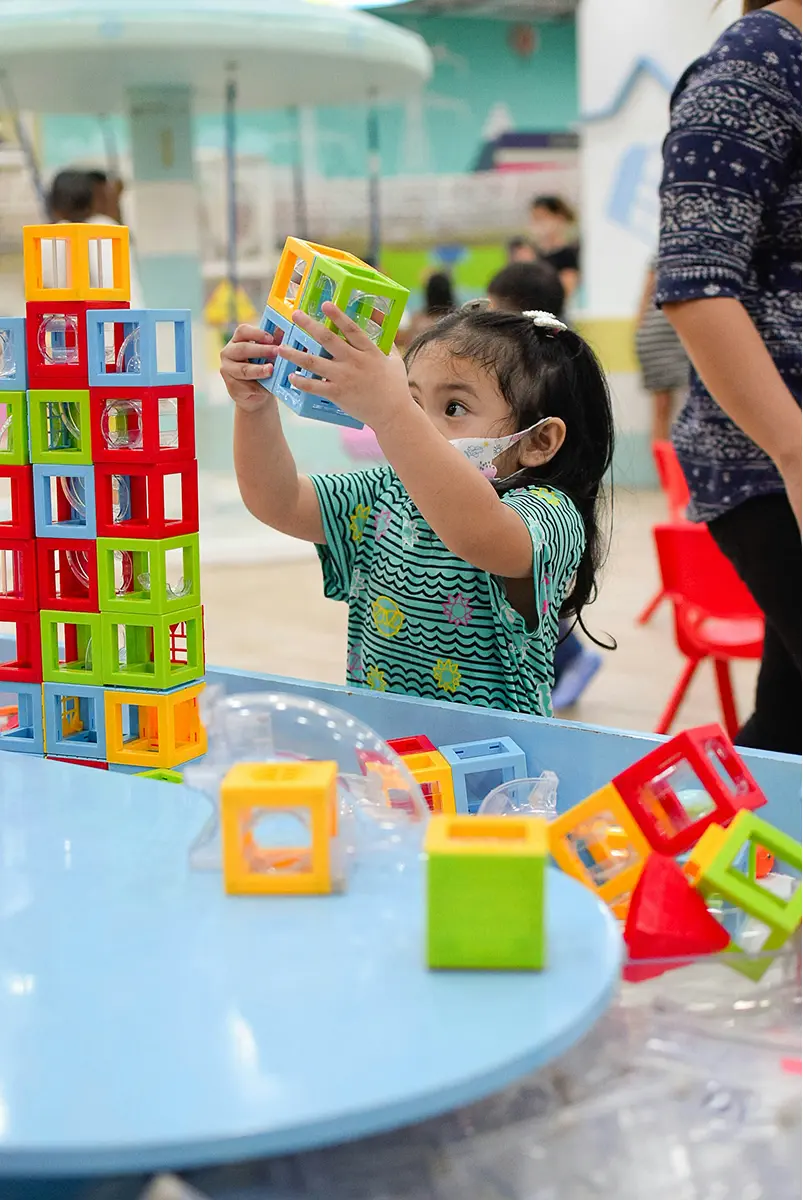
The right preparation can turn an anxious child into an excited one.
4 Weeks Before: Talk About It
Start introducing the idea of school into everyday conversation — casually, positively, without pressure. "After summer, you're going to go to a special place where you get to paint and play with new friends." Let your child ask questions. Answer them honestly and simply.
Drive past the school if it's nearby. Point it out. Normalize it.
2 Weeks Before: Adjust the Routine
Summer schedules tend to drift — later bedtimes, longer naps, irregular meals. Start shifting gently back toward the school-year routine two weeks out.
Aim for a consistent bedtime. Build in a morning routine that mirrors what school mornings will look like. Children's nervous systems thrive on predictability, and a familiar routine on day one is a gift.

Summer schedules tend to drift — later bedtimes, longer naps, irregular meals
1 Week Before: Visit the Classroom
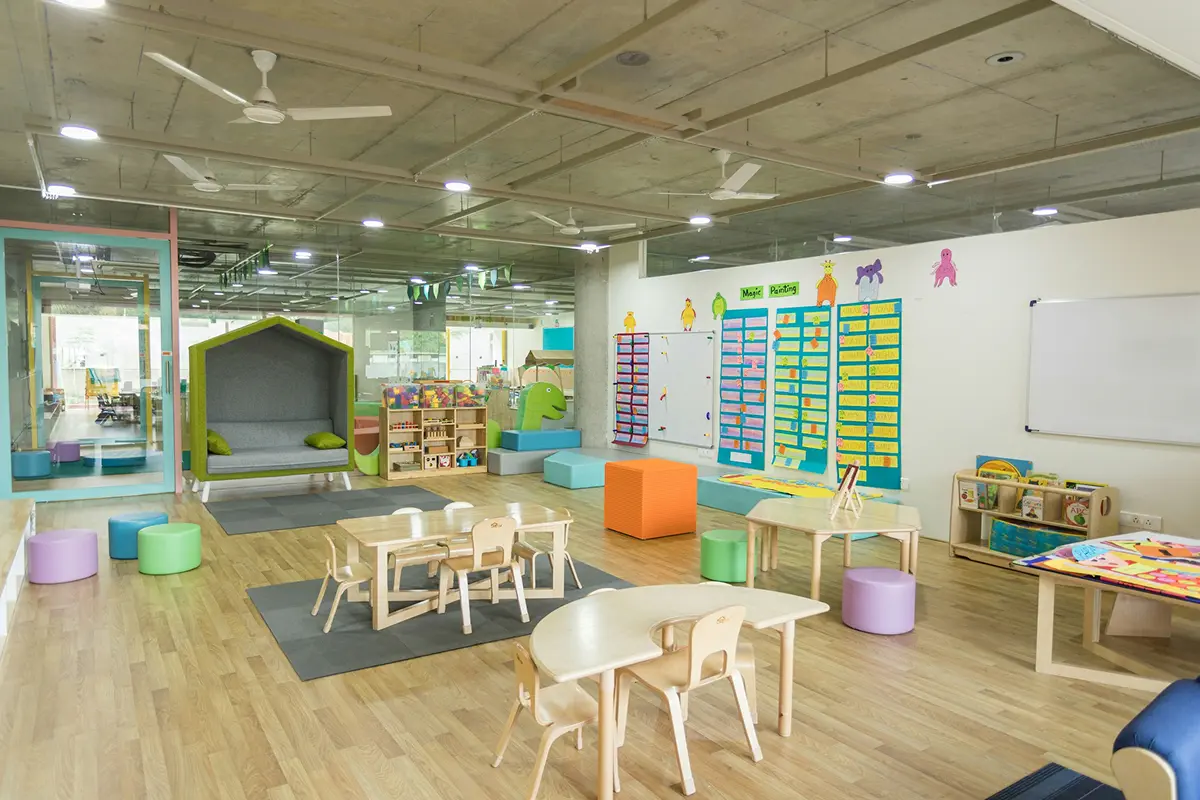
If your preschool offers a meet-the-teacher session or orientation — go. Let your child explore the classroom, touch the toys, meet their teacher without the pressure of a full first day. Familiarity dramatically reduces first-day anxiety.
At Anth, we schedule individual 20-minute "soft start" visits for all new families the week before term begins.
The Night Before: Keep It Calm
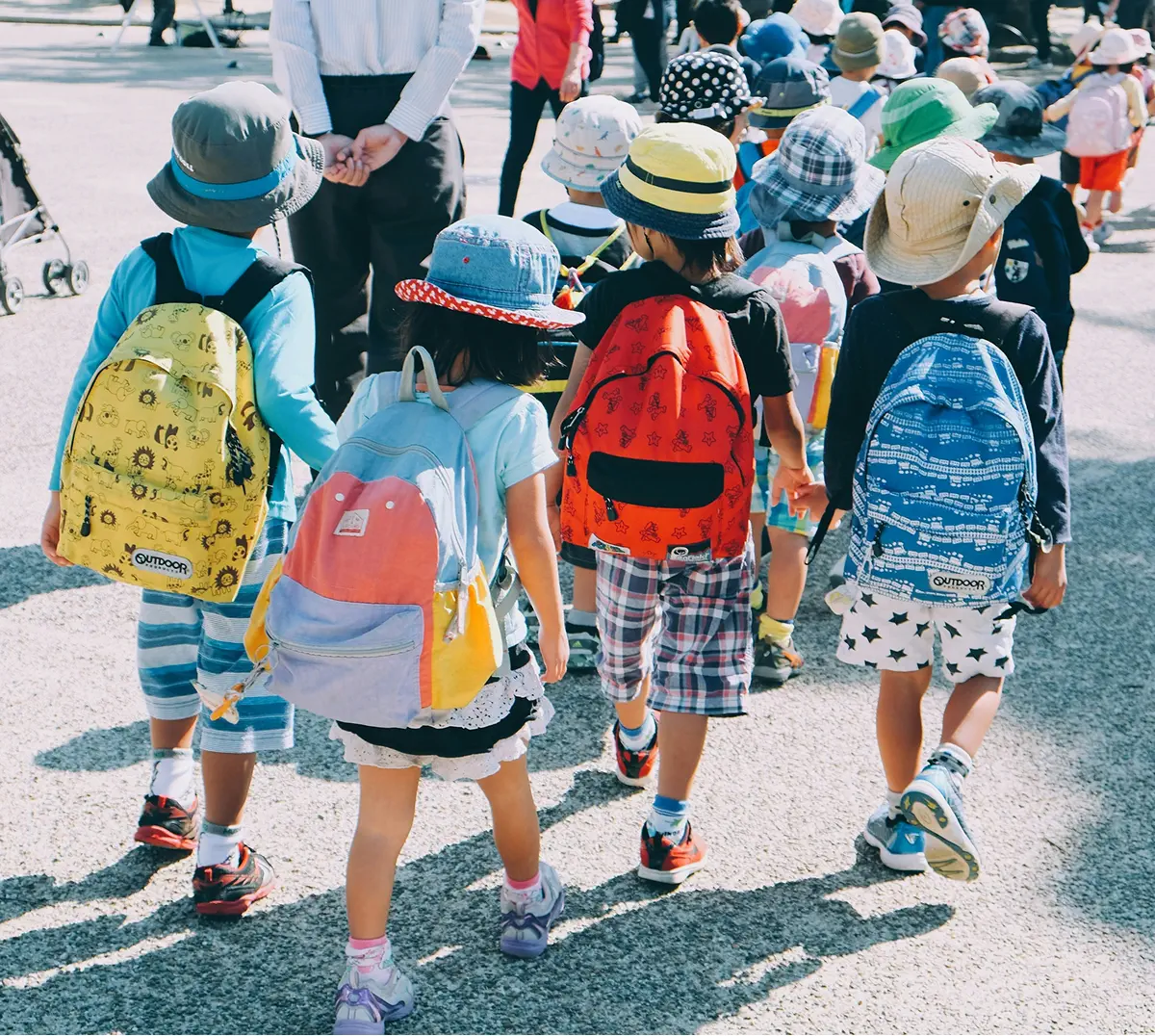
Pack the backpack together. Lay out the clothes. Read a favorite book. Keep the energy relaxed and reassuring.
Avoid over-hyping the first day. Excitement is good — but "this is going to be THE BEST DAY EVER" can create pressure that backfires.
The Morning Of: Confident and Warm
A calm, confident parent creates a calm, confident child. Your child reads your emotional state more accurately than you think. If you're anxious, they'll feel it.
Say a warm, clear goodbye. Trust your teachers. And maybe treat yourself to a coffee on the way home — you've earned it.