News
What Is Play-Based Learning — And Why It Matters More Than Flashcards
"Are They Just Playing All Day?"
It's a question many parents ask when they first learn about play-based learning programs. And it's a completely fair one — especially in a culture that tends to equate learning with sitting still and studying.
The short answer: yes, they're playing. And that play is doing more for your child's brain development than almost anything else could at this age.
What Play-Based Learning Actually Is
Play-based learning is an educational approach grounded in decades of child development research. It recognizes that for children under 6, play is not the opposite of learning — it is the primary mechanism through which learning happens.
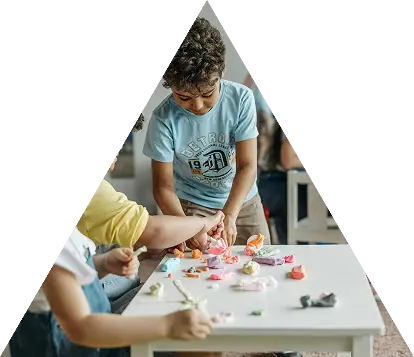
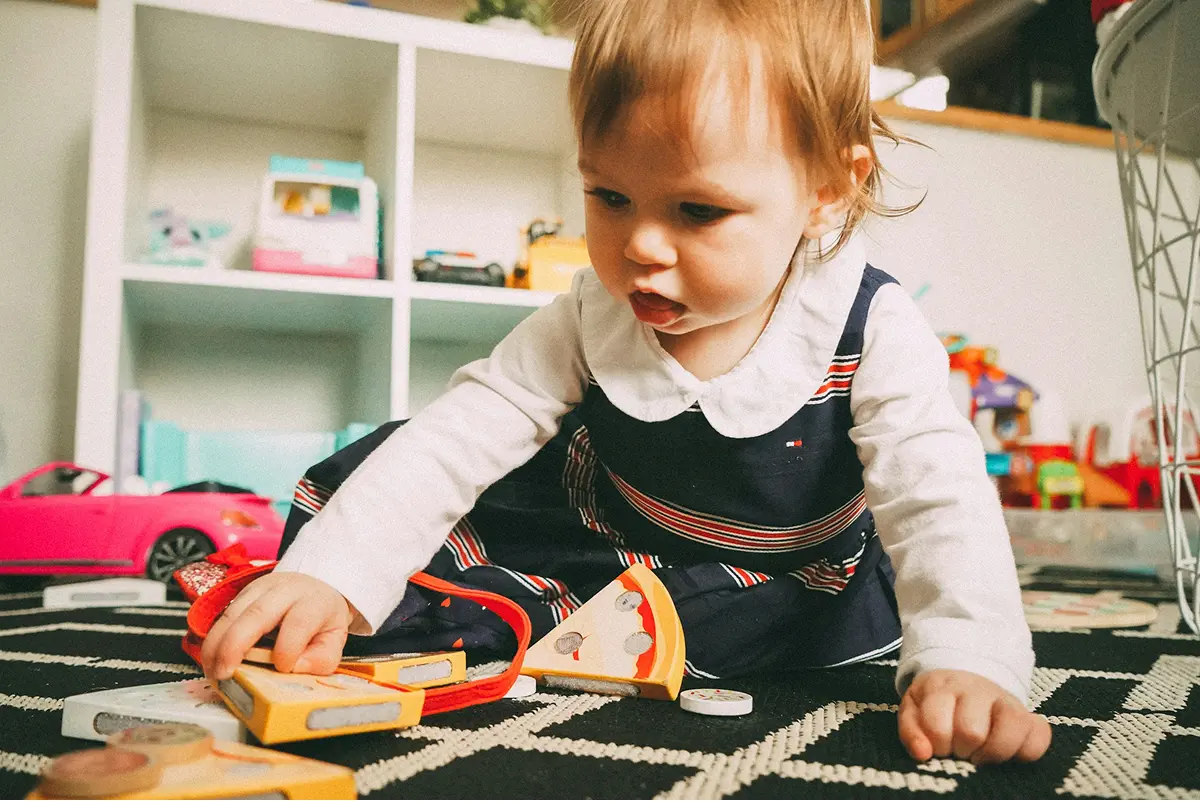
In a play-based environment, children learn through exploration, discovery, and interaction rather than instruction and memorization. A child building a block tower is learning physics. A child playing house is learning social negotiation. A child mixing colors at the painting table is learning cause and effect.
The teacher's role is not to deliver information but to observe, ask questions, extend thinking, and gently guide without directing.
What the Research Says
The American Academy of Pediatrics published a landmark report affirming that play is essential to healthy child development — cognitively, physically, socially, and emotionally. Children who learn through play demonstrate stronger executive function, better language development, and higher social competence than peers in more structured academic programs.
Drilling letters and numbers at age 3 produces short-term gains that typically disappear by first grade. Play-based learning produces foundational skills — curiosity, persistence, collaboration, creativity — that compound over time.
What It Looks Like at Anth
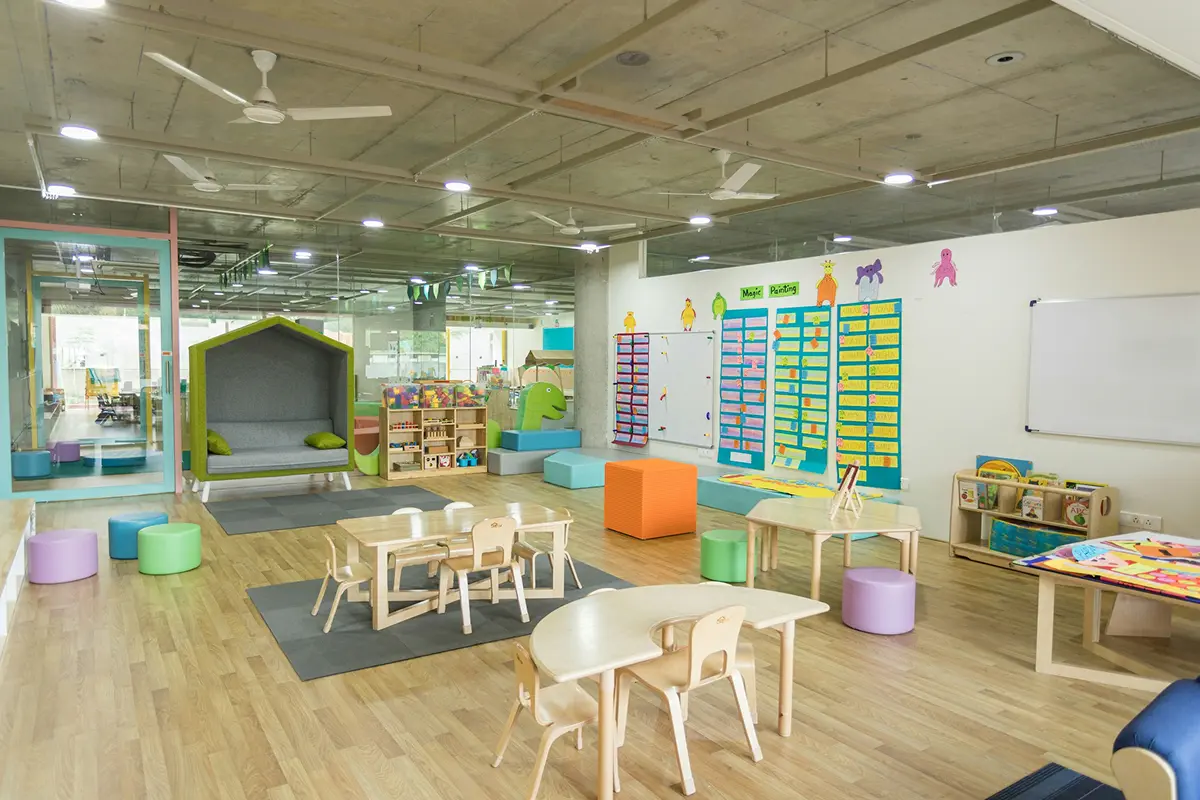
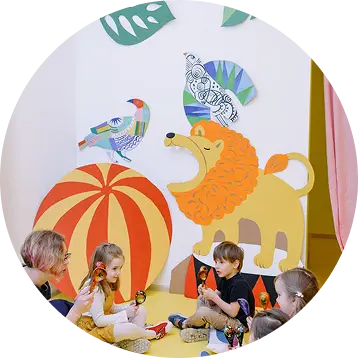
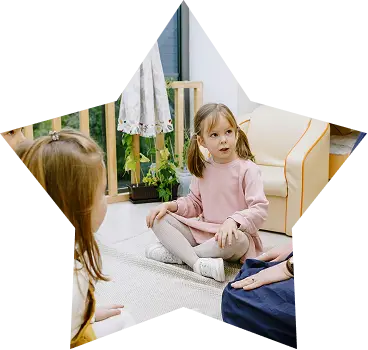
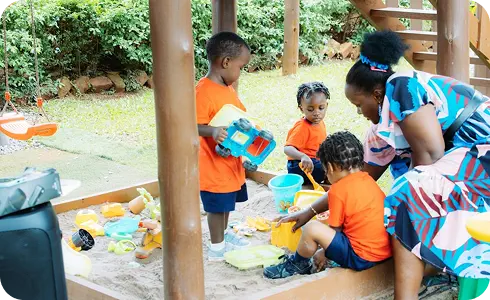
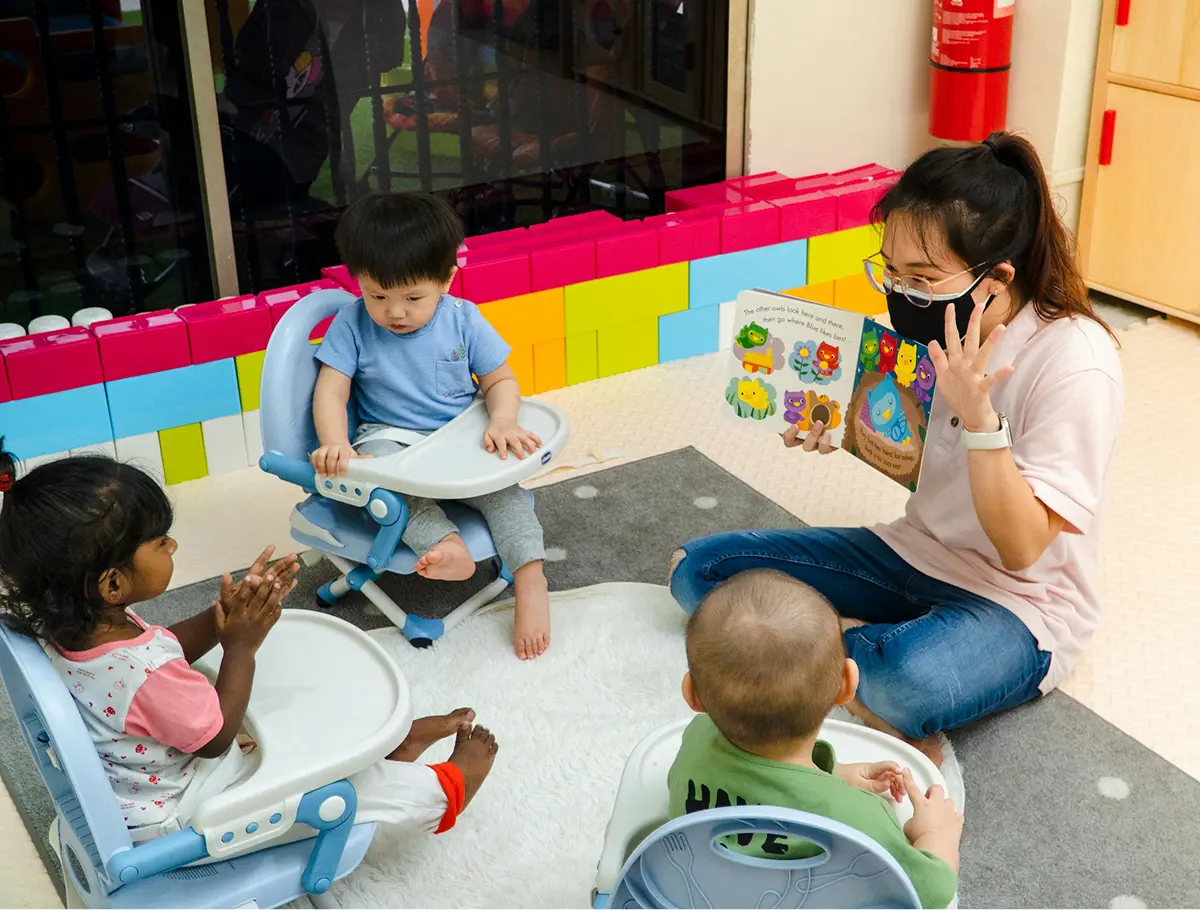
At Anth, a typical morning might include free exploration time where children choose their own activity, a collaborative building project, outdoor sensory play, and a group story session. Teachers are present and engaged throughout — observing, asking open-ended questions, and following each child's lead.
There are no worksheets. There is no rote memorization. There is a lot of joyful, purposeful, deeply educational play.